

Zyro
Zyro is a revolutionary platform designed to rebuild the internet through transparency, equity, and user empowerment. By leveraging zero-party data, we ensure that consumers control their information and brands thrive on authentic, meaningful connections.
Designing an AI-powered two-sided marketplace for brands & consumers
I led the design of a two-sided marketplace that reimagines how brands connect with consumers. Our platform leverages user intent signals and predictive algorithms to create personalized chat experiences on both sides: giving brands tools to act on real-time data, and empowering consumers with rewards, discovery, and social features.
ROLE
Head of Design
YEAR
2024-2026
CAMPAIGN
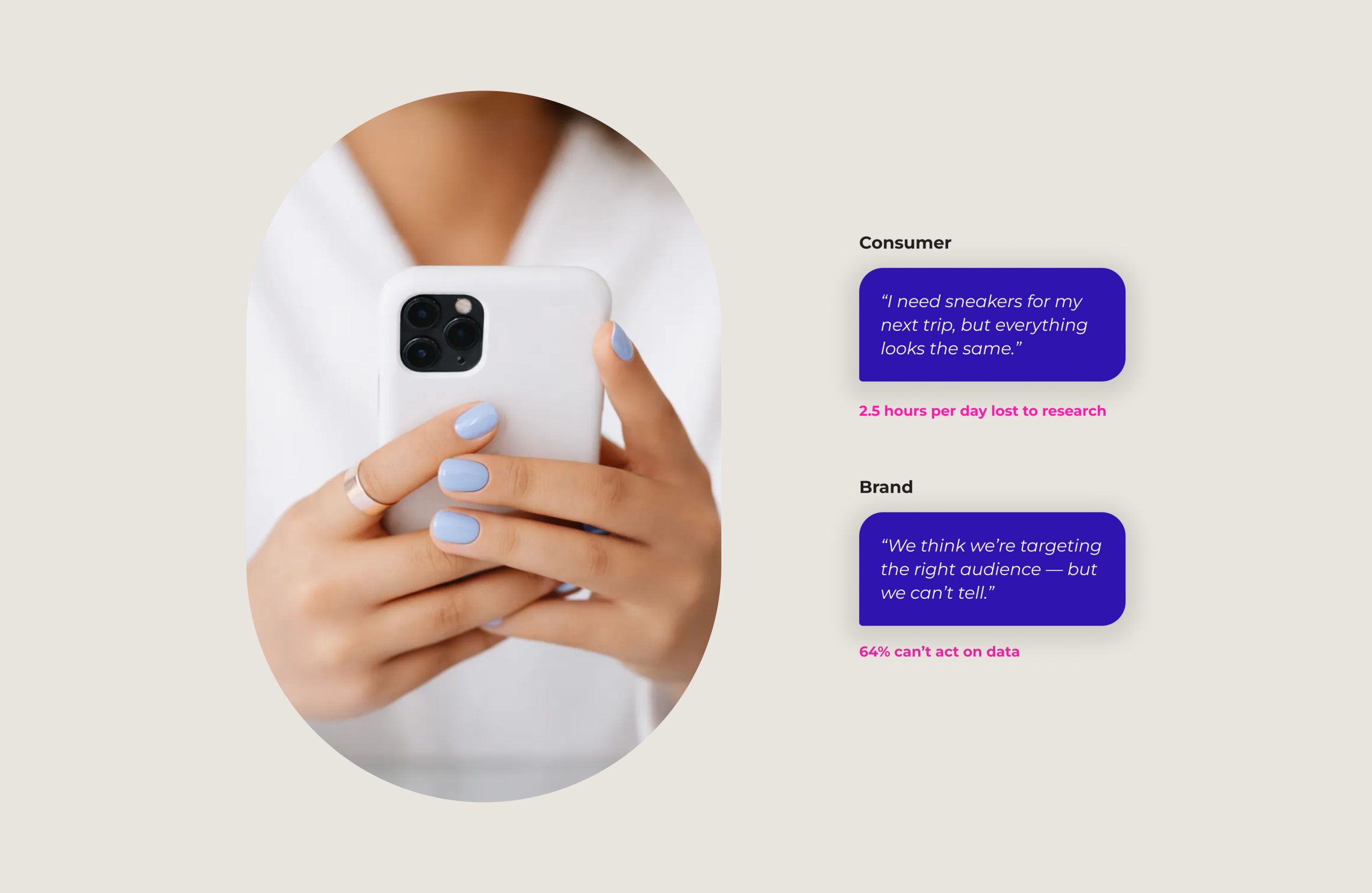
Modern consumers want more control.
Brands want more insights.
Problem space
Modern consumers are overwhelmed with choice, and traditional brand engagement methods (like emails and ads) that often feel intrusive or irrelevant. On the other side, brands are struggling to understand what customers really want, especially with growing privacy constraints and data leaks. Loyalty programs are too transactional, lacking the personalization and transparency today’s users expect.
The opportunity
We saw an opportunity to build a smarter, AI-powered connection between brands and consumers. For brands, the platform could offer direct signals of buyer intent, cohort targeting, and performance metrics. For consumers, it could provide rewards, wishlists, and the ability to follow and share brands they love — all within a socially-connected and privacy-forward ecosystem.
Goals and Measuring Success
Our design goals are threefold: First, give brands the ability to target users with precision based on live behavioral signals. Second, make the consumer experience feel empowering, rewarding, and social. Third, leverage AI in ways that are transparent and enhance both discovery and retention. Success will be measured by offer click-through rates, wishlist engagement, and how often users shared intent with friends, plus more.
Understanding both sides
We mapped out core personas. The brand user was analytical, focused on ROI, automation, and insights. The consumer user sought trust, control, rewards, and social validation. Their journeys were different but deeply interconnected. Designing for both audiences meant deeply understanding their goals, pain points, and desired outcomes — and ensuring they never felt like tools for the other.
Consumers
• Gen Z, 30’s
• Income ~ 40-100k
• Within the United States
Brands
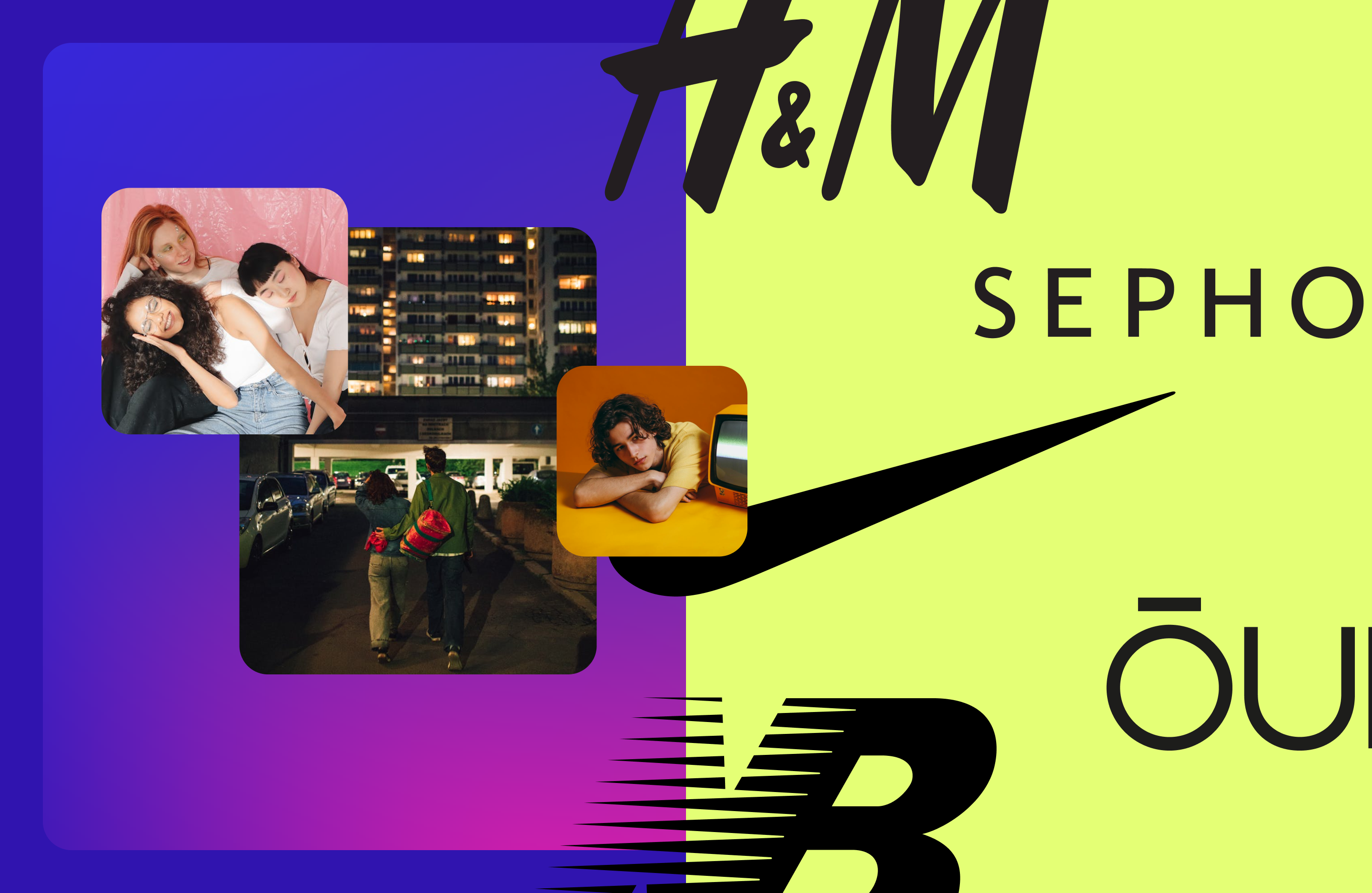
• Health
• Finance
• Beauty
• Fashion
Using AI to Power the Experience
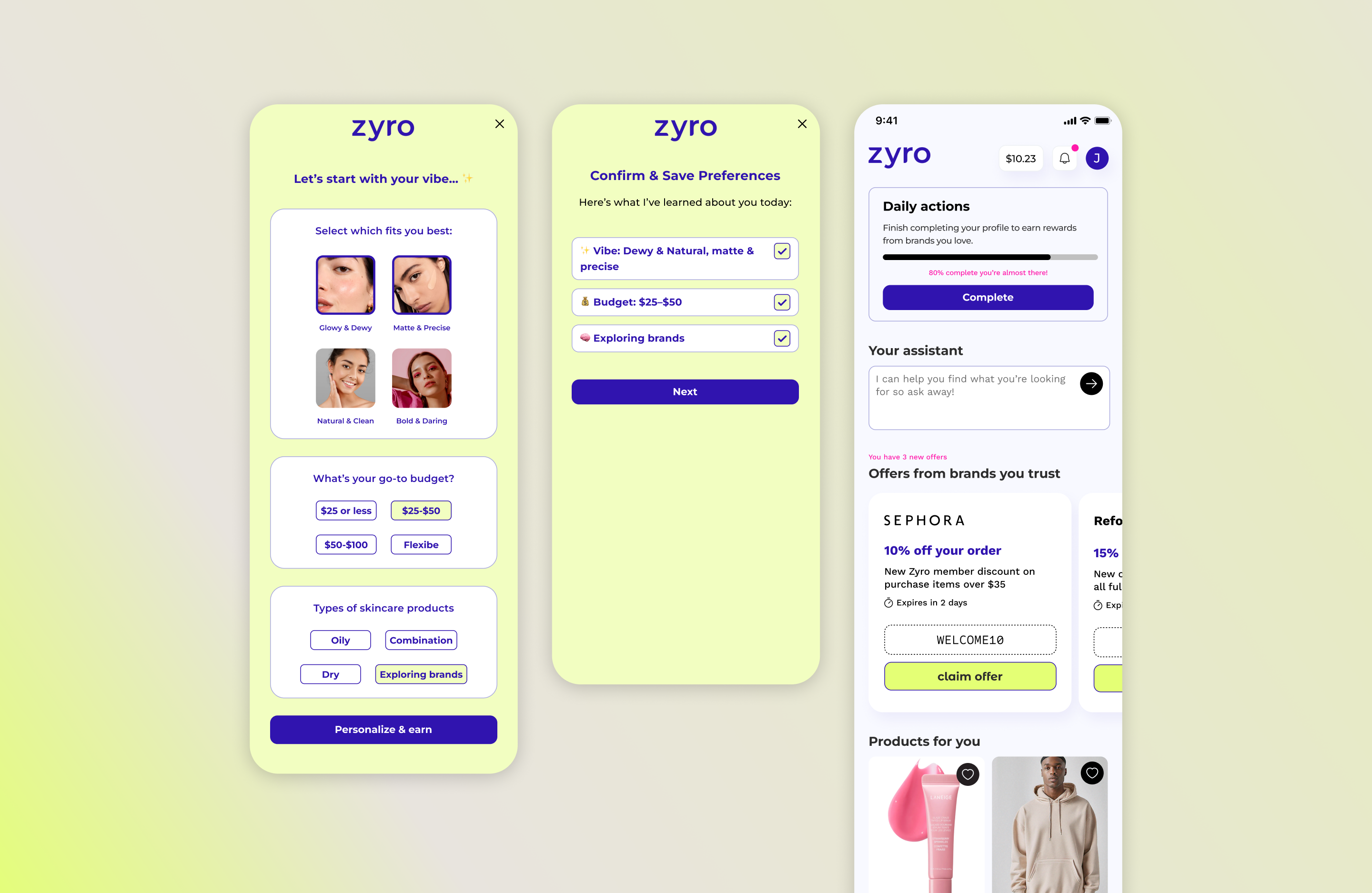
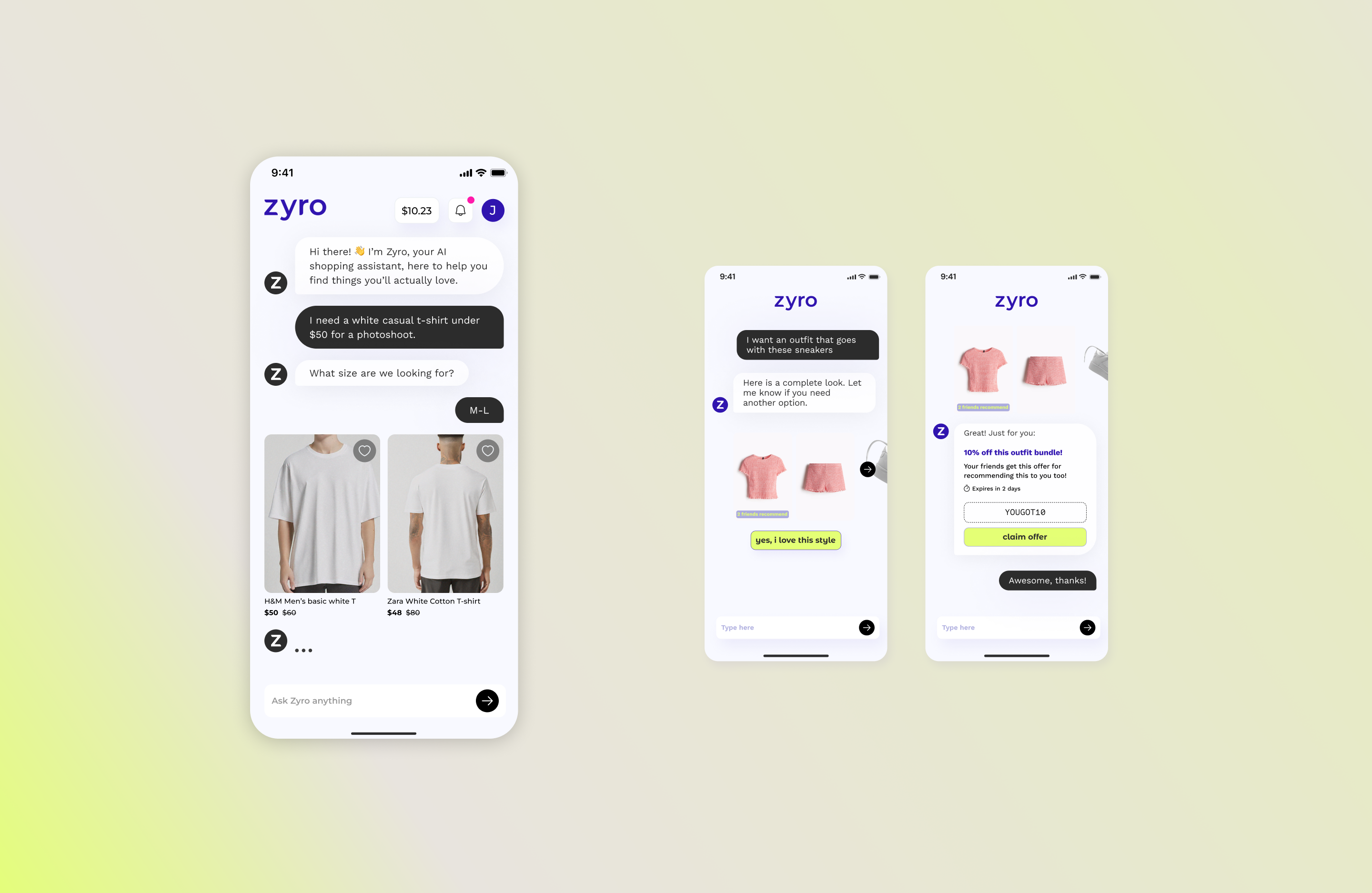
We built AI into the core of the product. For brands, machine learning models highlighted segments of high-intent users and predicted offer performance. For consumers, AI generated wishlist suggestions, personalized brand recommendations, and helped surface relevant products. Importantly, we worked hard to make these systems transparent — users could see why something was recommended and adjust their preferences.
Platform Architecture & Ecosystem
We developed a shared backend that powered two distinct interfaces. Brands use dashboards to view live buyer intent signals, set up offers, and monitor metrics. Consumers interact with a personalized front-end featuring wishlists, earnings, discovery, and intent sharing. Both sides were connected by a system of real-time data and AI logic, enabling responsive experiences on both ends.
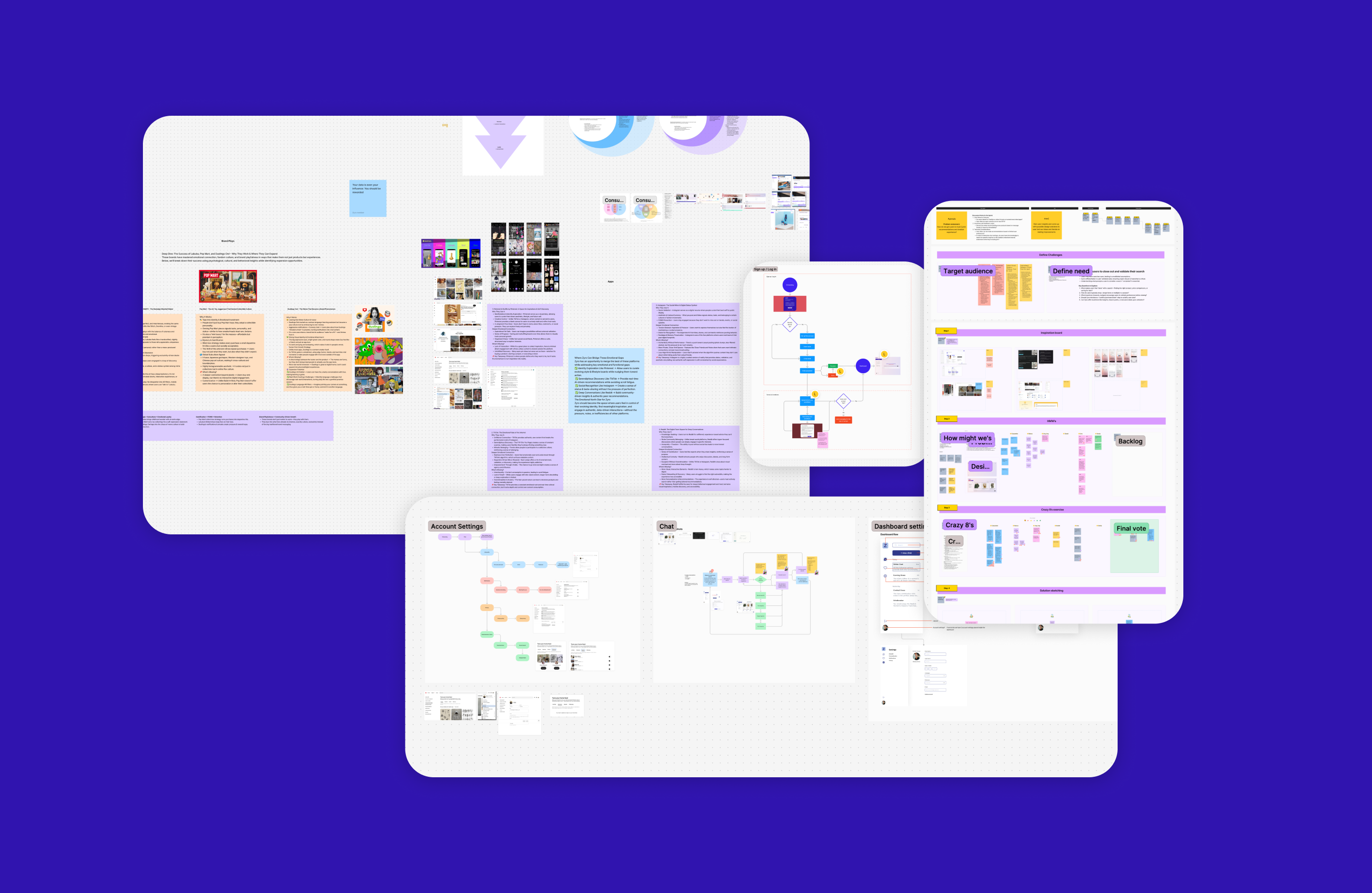
Design Process & Collaboration
I led user journey mapping sessions and iterative co-design workshops with stakeholders. We developed shared experience principles such as trust, transparency, and delight and tested concepts early to get fast feedback. Weekly syncs with product and engineering ensured AI outputs could be humanized through the UI, and that we were designing for feasibility and speed.
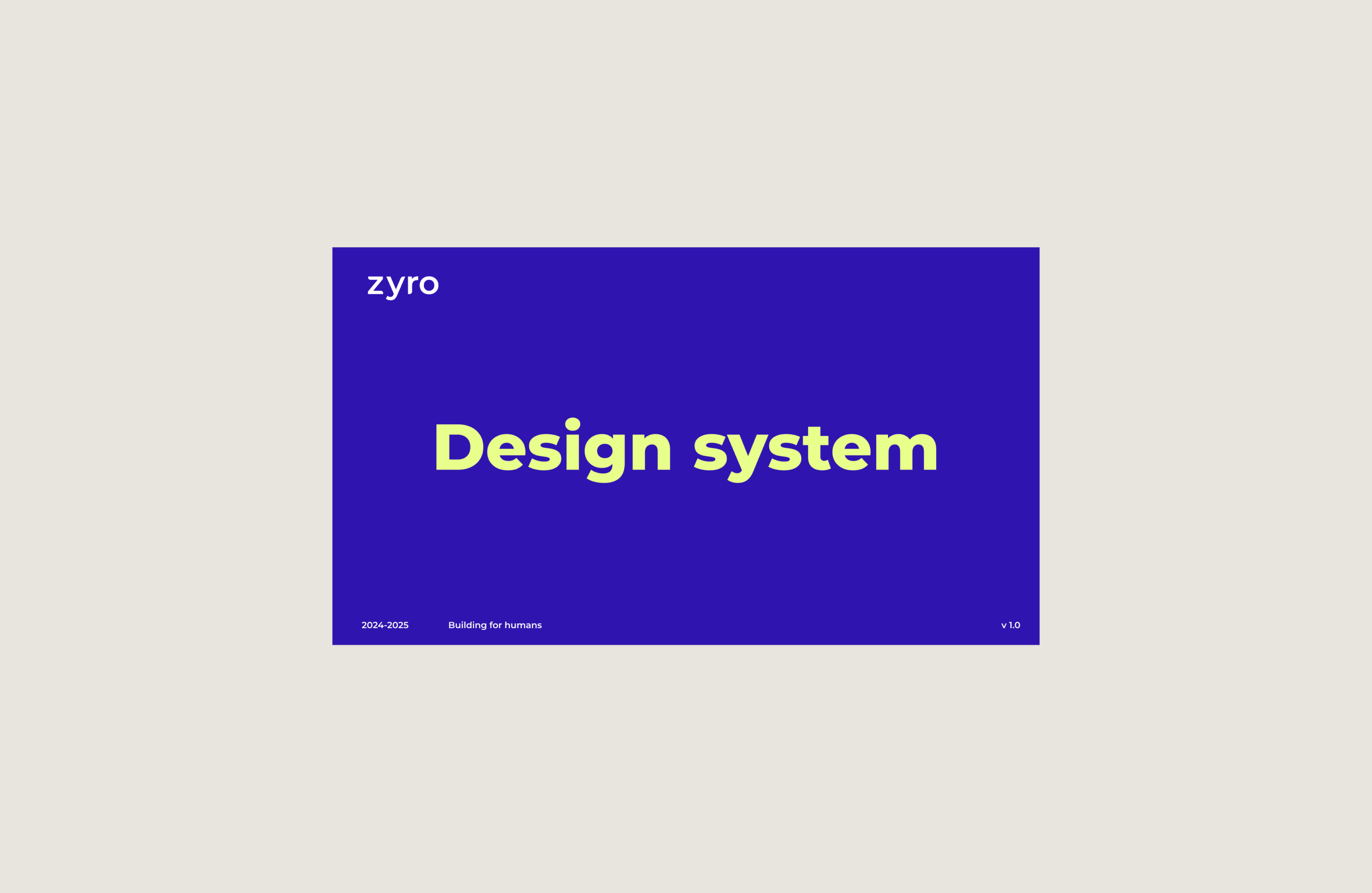
Building a Shared Design System
To support scale and consistency, I am currently building a modular design system used by both the brand and consumer platforms. Components like signal cards, earnings meters, and offer modals were designed to adapt flexibly across use cases. This allowed engineering to build once and deploy fast, while maintaining high design fidelity and performance.
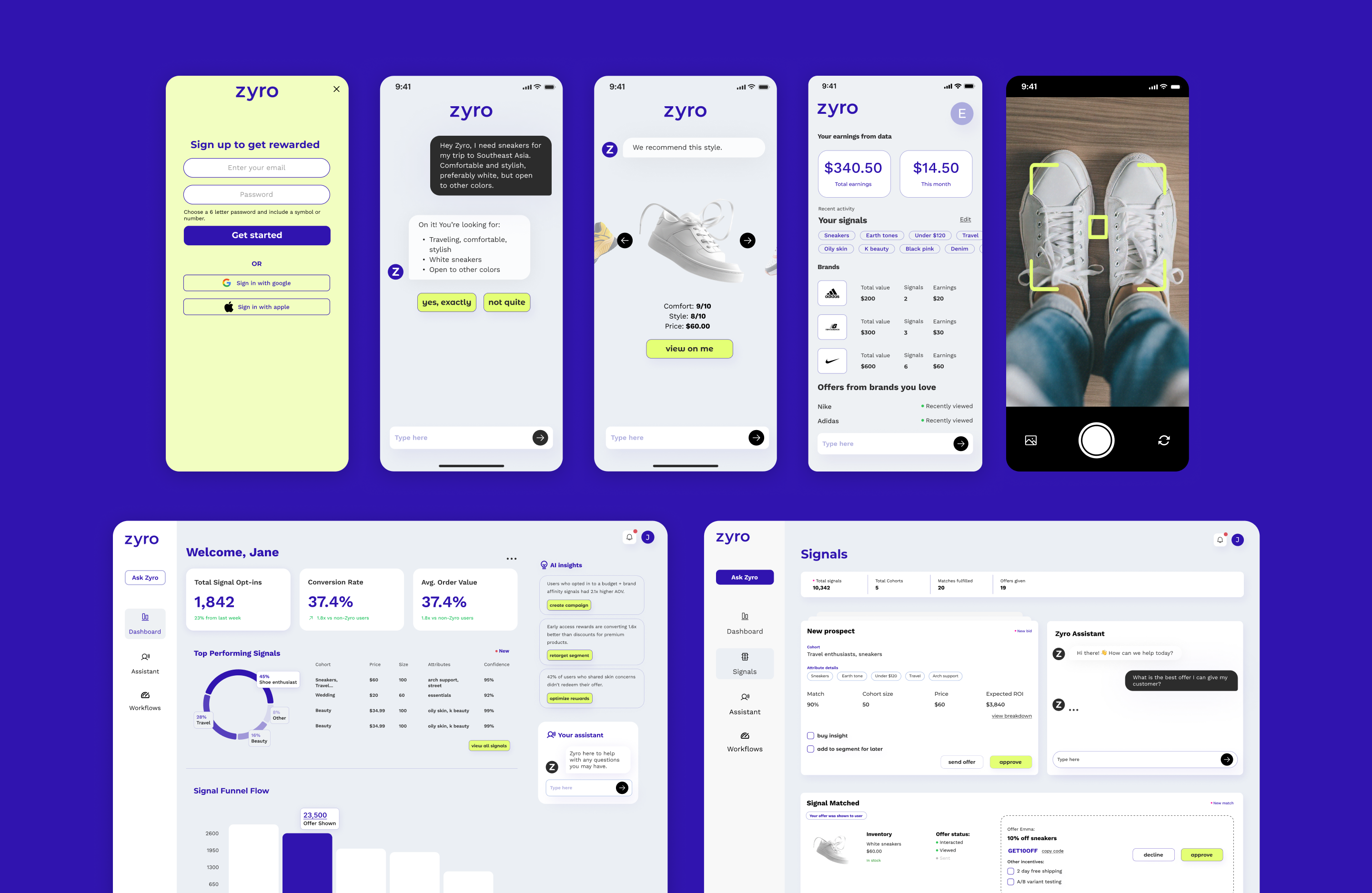
Final Consumer Experience
On the consumer side, the experience was personalized and fun. Users could track rewards, wishlist products, follow favorite brands, and share intent with friends. AI-driven discovery helped surface relevant items, while community features created a sense of shared exploration. The tone was friendly, empowering, and clearly built for the user’s benefit.
Final Brand Experience
Brands could log in and instantly see which products were getting traction, view buyer segments, and launch targeted offers. Dashboards were clean, data-rich, and action-oriented. We added microcopy and confidence indicators to explain AI-driven suggestions and help teams make faster decisions.





© Lina Yang. All Rights Reserved.